
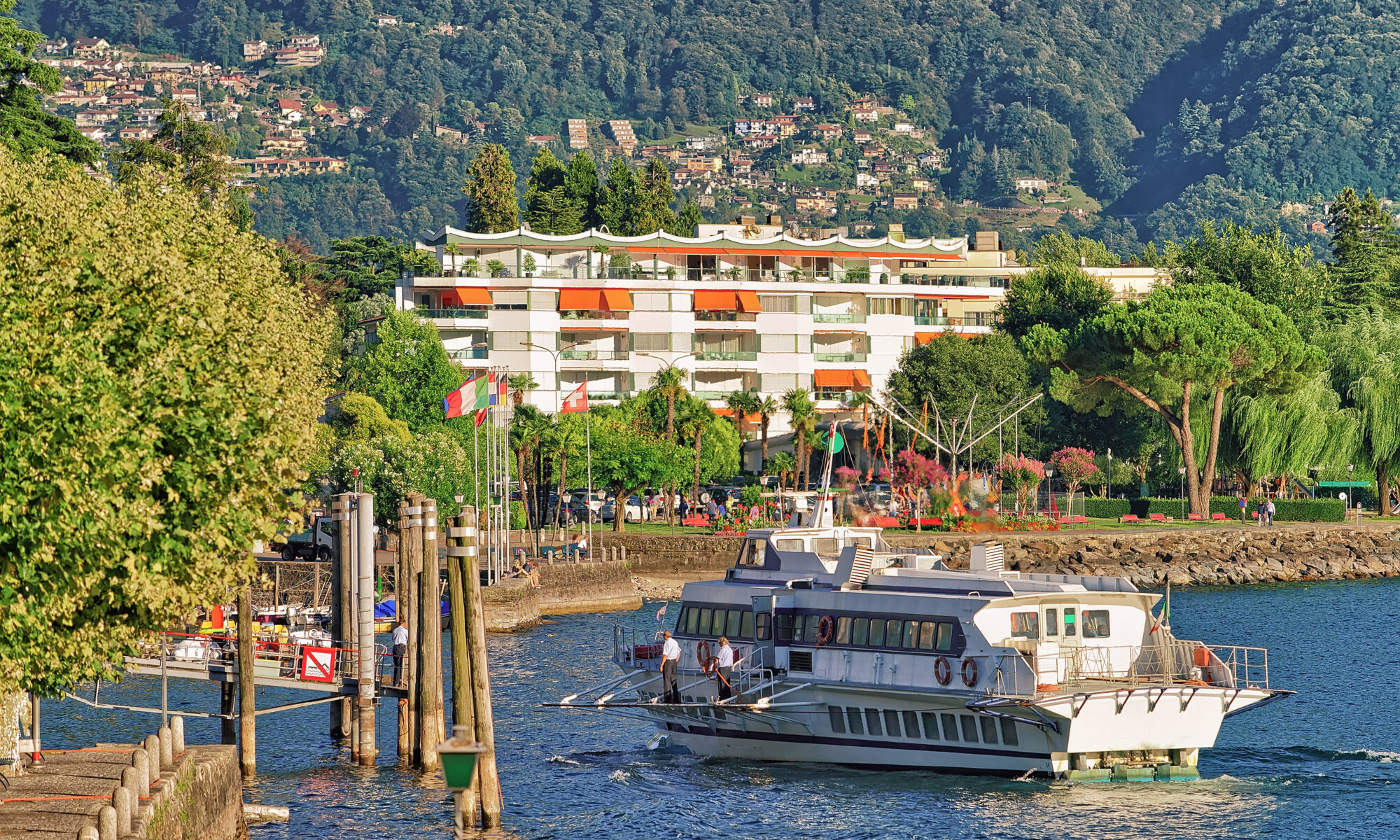
In Switzerland, languages do not simply coexist. They negotiate space, responsibility and trust every day. Italian and German cross paths constantly in a country where borders are close, expectations are high and precision is quietly enforced. Add to this Switzerland’s deep historical and economic ties with France and you have a linguistic landscape that demands more than surface fluency. Our high-end translation services from Italian into German and from German into Italian are designed for this environment, where language must travel confidently across regions, cultures and legal realities without losing its footing.
Switzerland has always been a country of passages. Alpine routes connected north and south long before modern borders, while western corridors opened trade and intellectual exchange with France. The Simplon Pass, for example, linked Italian-speaking regions with the Rhône Valley and onward into French-speaking territory. Communication along these routes was never optional. Agreements, technical instructions and official correspondence had to be understood across languages to keep trade, construction and governance functioning. Translation emerged here as a practical craft, shaped by movement and necessity rather than theory.
Italian-German translation in Switzerland developed under these conditions of constant exchange. Italian-speaking communities contributed labour, craftsmanship and engineering expertise, often working on projects commissioned or managed in German. At the same time, proximity to France influenced administrative culture, legal thinking and diplomatic practice, particularly in western Switzerland. This triangular dynamic meant that translators often worked with an awareness of multiple linguistic standards at once. Even when translating only between Italian and German, sensitivity to French-influenced legal or institutional concepts was often essential.
This layered reality still shapes everyday professional life. Swiss German standard usage carries traces of administrative discipline and technical clarity. Italian as used in Switzerland reflects both civic pragmatism and cross-border exchange. Neither exists in isolation. Translating between them requires an understanding of how meaning is framed within a multilingual country that has learned to balance difference without fuss. Our translators work within this tradition, attentive to nuance and wary of shortcuts.
Every high-end translation begins with orientation. We consider where a text originates and where it is going, not only linguistically but institutionally. A document produced in Italian-speaking Switzerland may already reflect concepts influenced by French legal or administrative practice. Translating it into German requires recognising those influences and rendering them intelligibly for a German-speaking Swiss audience. This kind of awareness separates competent translation from genuinely reliable work.
Legal and institutional translations illustrate this complexity particularly well. Switzerland’s federal system relies on parallel language versions that must align conceptually. We translate laws, regulations, official decisions and intergovernmental correspondence with careful attention to established Swiss usage. These texts often sit at the intersection of Italian, German and French legal cultures. Our task is to ensure that Italian and German versions carry the same authority and implications, even when legal reasoning follows different rhetorical paths.
Commercial translation reflects another dimension of everyday multilingualism. Swiss companies often operate across linguistic borders internally while engaging externally with partners in France, Italy and Germany. Business plans, internal reports, correspondence and agreements must be clear and culturally appropriate. Translating such texts from Italian into German may involve tightening argumentation and clarifying commitments. Translating from German into Italian often requires restoring narrative flow without introducing ambiguity. We ensure that translated texts support cooperation rather than complicate it.
Technical and infrastructure-related translations are deeply embedded in Switzerland’s history of connection. Railways, tunnels and energy projects brought together expertise from different linguistic regions. The Gotthard Base Tunnel stands as a modern symbol of this tradition. Projects of this scale rely on documentation that must be understood precisely across languages. We translate technical manuals, specifications and operational guidelines with discipline and consistency, aware that a single unclear instruction can ripple through an entire system.
Financial translations also reflect Switzerland’s position as a crossroads. Banking and insurance institutions operate across linguistic regions while engaging with international partners, particularly in France. Translating financial reports, compliance documentation and internal policies requires restraint and accuracy. Italian texts may emphasise explanatory clarity. German texts may prioritise structure and concision. We adapt each translation to meet Swiss expectations of transparency and control, avoiding language that sounds imported or imprecise.
Public communication offers another perspective on everyday translation. Information issued by authorities, transport providers and cultural institutions must reach citizens in multiple languages. In border regions, these texts may be read by people accustomed to French administrative style as well as Italian or German. Translating such material requires clarity and neutrality. We ensure that translated texts are easy to follow and respectful of readers’ time, without oversimplifying complex information.
Marketing and cultural translations require a different sensibility. Swiss audiences tend to be sceptical of exaggerated claims, a trait reinforced by proximity to French rhetorical traditions and German factual restraint. When translating promotional materials, websites or cultural programmes, we adapt tone so that messages feel grounded. Italian expressiveness may need tempering for German-speaking readers. German directness may need softening to sound natural in Italian. The aim is communication that persuades quietly rather than loudly.
Contracts and formal agreements highlight the importance of linguistic balance. Many Swiss contracts involve parties from different linguistic regions and sometimes from neighbouring France. Translating these documents between Italian and German requires attention to legal meaning and commercial intent. We ensure that clauses align conceptually and that obligations are described clearly in both languages. In a country where agreements are expected to hold firm, this precision is essential.
Everyday working life in Switzerland reinforces these expectations. Meetings may involve participants switching between languages. Documents circulate in parallel versions. People notice inconsistencies. A translation that feels slightly off can undermine confidence. Our translators understand this environment. They know that credibility is built through consistency and that language should never become an obstacle.
Switzerland’s landmarks offer useful metaphors for this work. The Lake Geneva, shared with France, reflects the country’s openness and interconnectedness. Italian and German texts often circulate in contexts shaped indirectly by French administrative or cultural influence. Successful translation requires awareness of this wider frame, even when French is not the target language.
Our working methods are shaped by Swiss professional culture. Projects are planned carefully. Deadlines are respected. Communication is clear and unembellished. Each translation is reviewed by a second specialist who checks accuracy, consistency and tone. We maintain terminology resources that reflect Swiss usage rather than generic international standards. This ensures stability across documents and over time.
Confidentiality and discretion are taken for granted. Many texts contain sensitive information, whether legal, financial or strategic. We handle all materials with care and adhere to strict data protection practices. Swiss clients expect professionalism without spectacle and that is exactly what we deliver.
Choosing a translation partner for Italian-German or German-Italian work in Switzerland is ultimately about trust. Language here carries institutional weight and practical consequences. A poorly translated text can disrupt cooperation or delay decisions. Clients need assurance that their documents will be handled by professionals who understand Switzerland’s multilingual fabric and its cross-border realities.
We offer that assurance through experience, attention to detail and a deep familiarity with how language functions in Swiss life. Our translators know that Switzerland’s strength lies in its ability to connect regions without erasing difference. They work with that principle in mind.
In a country shaped by passes, borders and shared spaces, language must travel with care. Our high-end translation services are designed to guide Italian and German safely across Switzerland’s linguistic terrain, mindful of its links to France and its long history of exchange. When meaning needs to cross borders and arrive intact, we make sure it does so with confidence and clarity.